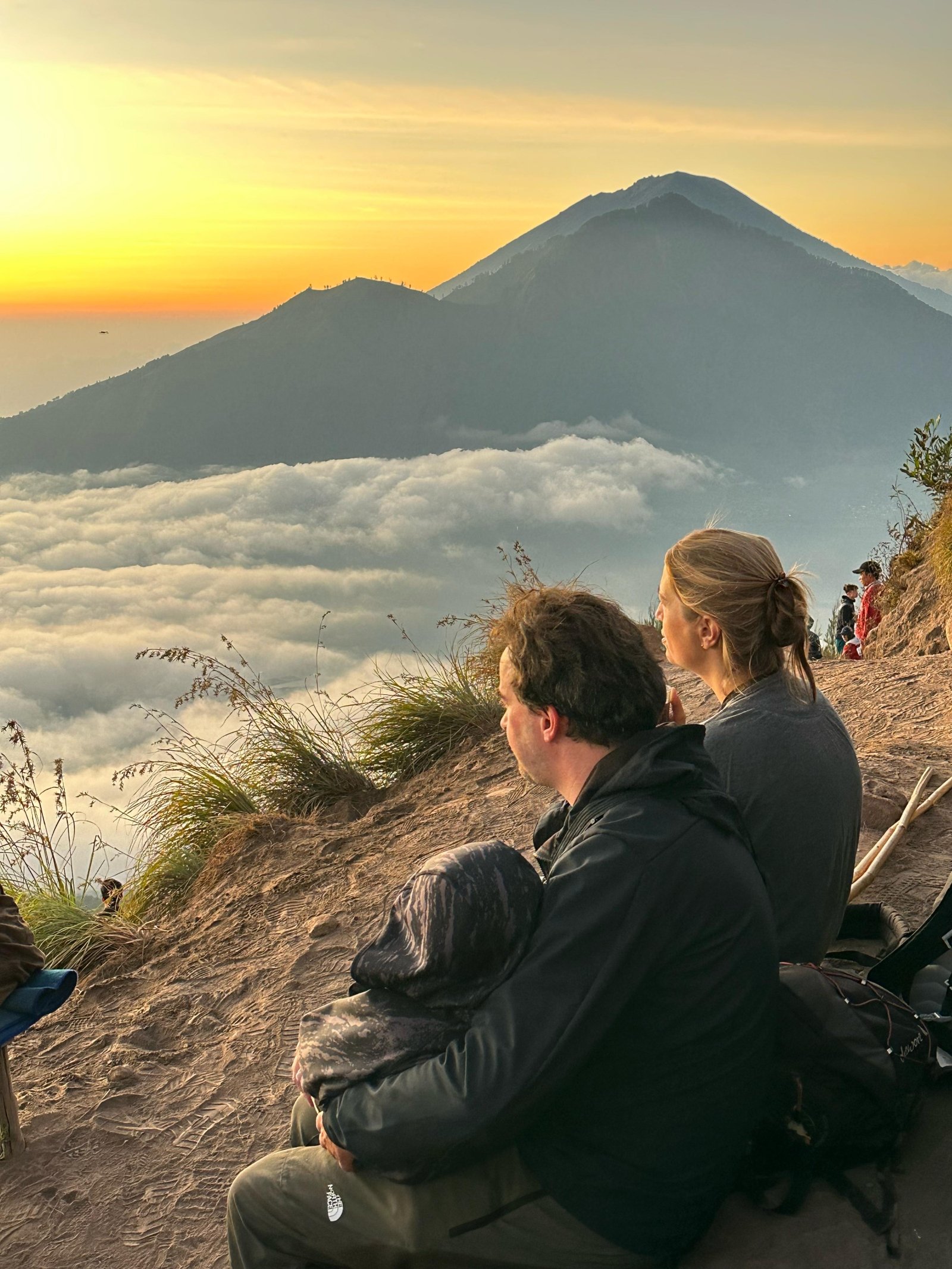
For many travelers, Bali is synonymous with serene beaches, verdant rice terraces, and ancient water temples. However, those seeking to experience the island’s raw, volcanic power should look toward the Kintamani region. Mount Batur, an active stratovolcano rising 1,717 meters above sea level, offers one of the most rewarding trekking experiences in Southeast Asia. The promise of witnessing the sunrise from high above the clouds makes the early morning wake-up call well worth the effort.
Why Mount Batur Trekking is a Must-Do Experience
Mount Batur trekking has earned a reputation as the “gold standard” for sunrise hikes in Bali. Unlike more grueling mount batur trekking mountain expeditions that require days of camping and extreme physical endurance, the Batur trek is remarkably accessible. It typically takes about 1.5 to 2 hours to ascend, making it an ideal challenge for both occasional hikers and seasoned adventurers.
The true magic of the experience lies in the transition of the landscape. You begin your journey in the pitch black of the early morning, guided only by the beam of your flashlight and the sparkling canopy of stars above. As you approach the summit, the sky gradually shifts from deep indigo to soft violet, eventually exploding into brilliant shades of orange and gold. Looking out over the caldera—with the expansive Lake Batur cradled below—provides a profound sense of perspective that defines the essence of Balinese adventure.
Preparing for the Physical Challenge
While the trek is categorized as moderate, it is important to remember that it is still a mountain climb. The terrain consists of loose volcanic scree, dirt, and some steeper, rockier sections.
- Fitness Levels: You do not need to be an Olympic athlete, but you should be comfortable with a steady incline. If you can maintain a moderate walking pace on an uphill slope for two hours, you will handle this trek with ease.
- The Importance of Local Guides: While some independent hikers attempt the route solo, it is highly recommended to hire a licensed local guide. Beyond the obvious benefit of navigation in the dark, local guides are deeply knowledgeable about the volcano’s history and volcanic activity. They are also instrumental in navigating the local regulations of the Kintamani area, ensuring your safety throughout the trek.
- Logistics: The most difficult part of the experience is often the start time. Most reputable tour operators will pick you up from your hotel in areas like Ubud, Sanur, or Kuta between 2:00 AM and 3:00 AM to ensure you reach the trailhead well before the sun crests the horizon.
Packing Smart for the Summit
The microclimate at the peak of Mount Batur is vastly different from the tropical humidity of the Balinese coast. At nearly 1,800 meters, temperatures can drop significantly, and the wind exposure at the summit can be quite biting.
- Dress in Layers: Start your hike in breathable, moisture-wicking athletic gear. However, pack a light fleece or a warm jacket to put on once you reach the summit. You will be sitting still for a while waiting for the sunrise, and your body temperature will drop rapidly once you stop moving.
- Footwear Matters: Do not attempt this trek in flip-flops or thin-soled sandals. Sturdy sneakers with good traction are the absolute minimum requirement. If you have a pair of light hiking boots, they are the preferred choice for stability on the loose, sliding volcanic gravel.
- Essential Gear: Carry a small backpack containing at least 1.5 liters of water, a few high-energy snacks like bananas or chocolate, and a portable power bank for your camera or phone. Most guides provide flashlights, but bringing your own headlamp allows you to keep your hands free, which is particularly helpful on the descent.
The Best Time to Plan Your Trek
Bali’s weather plays a significant role in your sunrise visibility. The dry season, stretching from April to October, is widely considered the best time for Mount Batur trekking. During these months, the chances of encountering clear, crisp skies are at their highest.
If you are hoping for a more tranquil experience, try to avoid weekends and Indonesian public holidays. The popularity of the trek means the summit can get quite crowded. Scheduling your hike for a Tuesday or Wednesday in the “shoulder months” (May or September) often provides the perfect balance of favorable weather and fewer crowds, allowing you to enjoy the quiet majesty of the caldera in peace.
Respecting the Environment and Local Culture
Mount Batur is more than just a tourist destination; it is a sacred site for the Balinese people. As you trek, maintain a respectful demeanor. Stick to the marked trails to prevent erosion and to avoid disrupting the local ecosystem.
Be aware that you may encounter monkeys near the summit. While they are a common sight, it is important not to feed them. They are accustomed to tourists and can be quite aggressive if they suspect you have food in your bag. Keep your snacks tucked away securely until you are ready to eat, and always ensure that you carry all your trash back down with you.
Final Thoughts: A Moment Above the Clouds
The descent down the mountain is often the most underrated part of the journey. As the morning light floods the landscape, you will see the crater’s rim, the hardened lava flows from previous eruptions, and the distant silhouettes of Mount Agung and Mount Abang.
Mount Batur trekking is not merely a box to check off on your Bali itinerary; it is a reminder of the island’s vibrant, living landscape. It is a moment of stillness before the hustle of the day begins. Whether you are chasing the perfect sunrise photograph or a personal physical achievement, the summit of Batur offers an perspective that will surely be the highlight of your Indonesian travels.